Physical Address
304 North Cardinal St.
Dorchester Center, MA 02124
Physical Address
304 North Cardinal St.
Dorchester Center, MA 02124

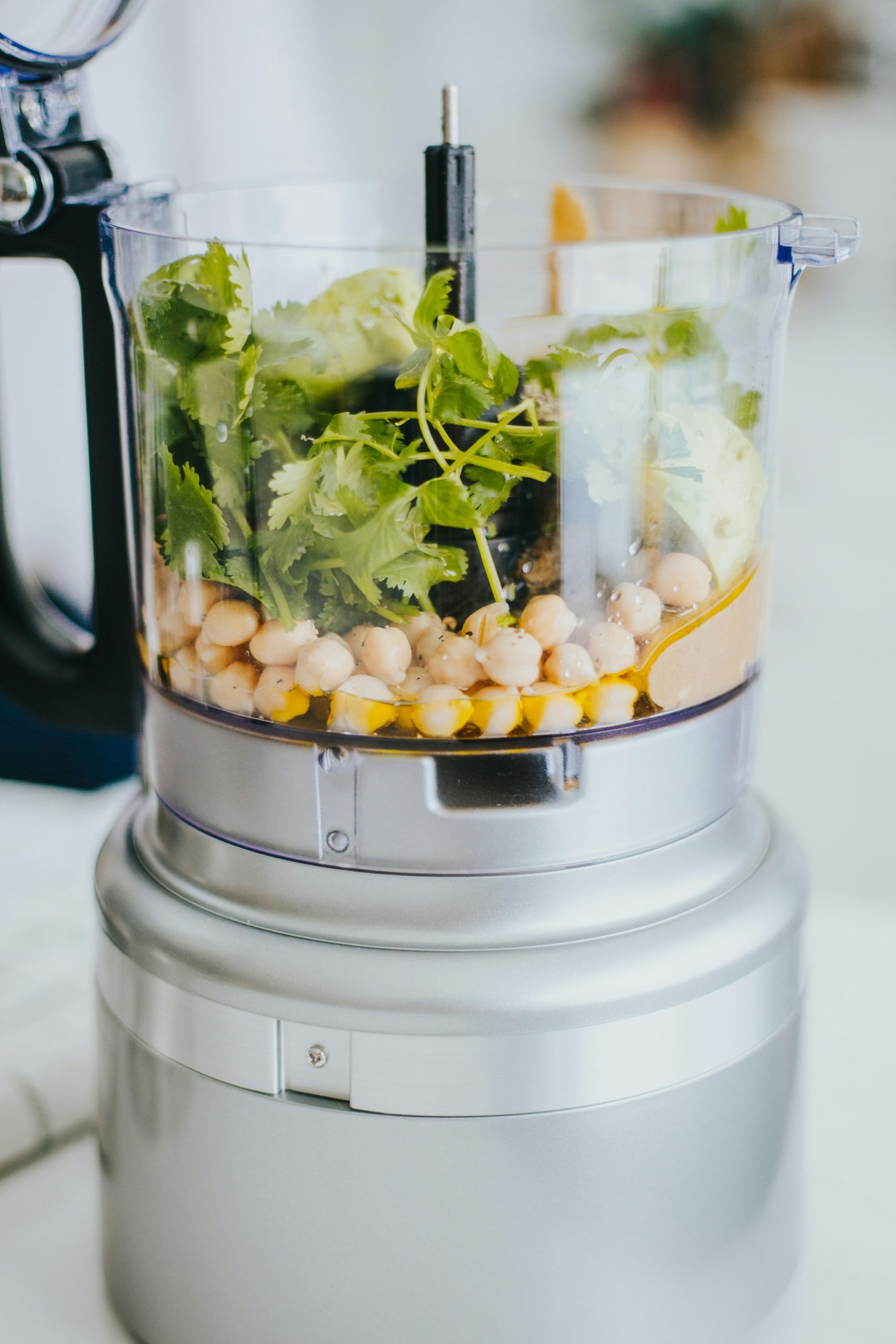
If you have ever stood in a kitchen store staring at two separate appliances a food processor on one shelf and a blender on another you know the confusion. Both look useful. Both seem necessary. And yet most home cooks end up buying both, using each only occasionally, and then wondering why their counter space has disappeared.
The truth is, a food processor and blender combo solves this problem entirely. It is one smart appliance that handles the tasks of two. Whether you are chopping vegetables, blending soups, making smoothies, or mixing dough, the right food processor with blender functionality can do it all without cluttering your kitchen or straining your budget. In this practical guide, we will walk you through how each appliance works, what separates them, and why the best blender food processor combo might be the only kitchen upgrade you actually need this year.


Before investing in a combined food processor and blender, it helps to understand what a food processor actually does on its own. At its core, a food processor is a motorized kitchen appliance with interchangeable blades and discs that sit inside a large bowl. It is designed for dry and semi-dry tasks that a blender simply cannot handle.
So, what is a food processor used for? The list is surprisingly long:
• Chopping onions, garlic, herbs, and vegetables
• Shredding cheese and cabbage
• Slicing cucumbers, carrots, and potatoes
• Mixing and kneading dough
• Making hummus, pesto, and nut butters
One of the most common food processor uses for home cooks is to chop vegetables in food processor style quickly and evenly. Instead of spending ten minutes dicing an onion by hand, you can drop it in, pulse a few times, and move on. Brands like Cuisinart food processors are especially popular for this because of their powerful motors and wide range of included blade attachments. When using a food processor, the key is to avoid overfilling the bowl and to use the pulse function for control. For most chopping tasks, short pulses give you better, more consistent results than running the motor continuously. A large food processor is ideal for families or anyone who preps meals in batches, while compact models suit smaller kitchens.

A blender works differently from a food processor. It uses a fixed blade at the bottom of a tall, narrow jug to spin and pull ingredients downward, creating a vortex. This design is perfect for liquids, soft foods, and anything you want completely smooth but it relies heavily on liquid to function properly.
Common blender tasks include making smoothies and protein shakes, pureeing soups and sauces, blending frozen fruit, juicing in blender style for quick fruit and vegetable drinks, and crushing ice. Unlike blender software or blender 3d tools used in digital design which are completely unrelated a kitchen blender is a wet-processing machine built for speed and smoothness.
Most home cooks find that how to use blender software guides online can be confusing because the term “blender” applies to both kitchen appliances and the popular open-source 3D animation program. If you have ever searched for a blender software tutorial and ended up on a cooking page, or vice versa, you are not alone. For our purposes, we are talking strictly about the kitchen appliance.
The most important rule when using a kitchen blender: always add liquid first. This helps the blade catch ingredients and pull them into the vortex. Start at a low speed and gradually increase. Never fill the jug more than two-thirds full when blending hot liquids, as steam can build pressure and cause spills.
This is where things get interesting. The blender vs food processor debate is one of the most common questions in home cooking, and the answer depends entirely on what you are making.
A food blender and processor comparison comes down to three main factors: blade design, bowl shape, and liquid requirements. A food processor has a wide, shallow bowl with blades that sit near the bottom and spin horizontally. This shape is ideal for solid and chunky foods. A blender has a tall, narrow jug with blades that create a downward vortex, which only works efficiently when there is enough liquid present.
So can you use a blender as a food processor? In a pinch, you might be able to pulse soft foods like cooked vegetables or fruit. But for hard foods like raw carrots, dry nuts, or shredded cheese, a blender will struggle and may even damage the blade. The reverse is also true: you cannot make a silky-smooth smoothie in a food processor because it cannot create the fine, aerated texture that a blender achieves.
This is exactly why the food processor and blender combo has become so popular. Rather than choosing between the two, you get an appliance that genuinely does both well.
When you dig into the difference between blender and food processor design, two distinctions stand out above everything else. Understanding these will help you use both appliances more confidently and make a smarter buying decision.
1. Blade Design and Motion
A food processor uses interchangeable blades and discs an S-shaped chopping blade, a shredding disc, a slicing disc, and sometimes a dough hook. These blades process food through impact and friction, not suction. They work on dry and semi dry foods without needing any liquid at all.
A blender uses a fixed, multi pronged blade at the base of the jug. The blade spins at very high RPM and creates a vortex that pulls food downward and forces it through the blade repeatedly until it is smooth. This is the fundamental blender vs processor difference: one cuts, the other liquefies.
2. Liquid Requirements
The second major difference between blender and food processor is how much liquid each one needs. A blender requires liquid to function — without it, food just bounces around and does not get processed. A food processor, on the other hand, is designed to work without any liquid at all. You can shred dry cheese, slice raw vegetables, or mix pastry dough in a food processor without adding a single drop of water.
This distinction matters when you are deciding blender or food processor for a specific recipe. Making guacamole? Food processor. Making a mango smoothie? Blender. Making a chunky soup that starts with chopped vegetables and ends as a puree? That is where a food processor and blender combo truly shines — you use the food processor attachment to chop, then switch to the blender attachment to puree, all without washing a second appliance.
Now that you understand what each appliance does individually, the case for a best blender food processor combo becomes obvious. Here is what you gain:
• Counter space: One appliance instead of two means more room to actually cook.
• Cost savings: A quality combo unit typically costs less than two separate mid-range appliances.
• Versatility: Chop, slice, shred, blend, puree, and juice — all from one base motor.
• Fewer dishes: One motor base, fewer bowls to wash.
Popular options on the market include the ninja blender food processor line, which is well regarded for its powerful motor and versatile attachment system, and the ninja professional food processor models that offer large capacities and durable blades suitable for heavy daily use. Both are strong choices for home cooks who want reliable performance without professional-grade prices.
When shopping, look for a combo unit with at least 700 watts of motor power, a range of blade attachments, and a large capacity bowl. A large food processor bowl (9 cups or more) is especially useful if you cook for a family or like to meal prep in advance.
Here are some everyday tips for home cooks who are just getting started with a combined food processor and blender:
• Cut ingredients into roughly equal sized pieces before processing for more even results.
• Use the pulse button for chopping it gives you more control and prevents over-processing.
• When blending hot soups, let them cool slightly first, or remove the center cap from the lid and cover with a towel to release steam.
• Clean blades immediately after use dried-on food is much harder to remove.
• For smoothies, always add liquid first, then soft ingredients, then frozen items on top.
The more you use a food blender and processor combo, the more natural it becomes to reach for it first. Over time it replaces not just two appliances, but several steps in your cooking routine.
The food processor and blender combo is not a gimmick. It is a genuinely practical solution to a problem that almost every home cook faces: too many appliances, not enough counter space, and the constant frustration of grabbing the wrong tool for the job.
Once you understand the blender vs food processor distinction and realize that one appliance can cover both sides of that divide the buying decision becomes simple. Whether you are pureeing soups, chopping salad vegetables, blending morning smoothies, or kneading pizza dough, a single well-chosen combo unit handles it all. Stop paying for two appliances. Stop washing two sets of parts. Stop arguing with yourself about blender or food processor for every new recipe. Invest in a quality food processor and blender combo and get back to what actually matters: enjoying good food with less fuss.